Have you heard of the terms “opt-in” or “opt-out” consent?
If you plan on negotiating play with anyone at any point, you’ll definitely need to understand the difference between the two. So if you’re not familiar, read on …
The terms are used mostly by tech companies when managing user data and privacy, but they have important applications to consent in kink/BDSM.
Opt-in consent says this:
“We will do only the things I’ve specifically said yes to.”
And opt-out consent says this:
“We will avoid only the things I’ve specifically said no to.”
When practicing opt-in consent, you describe the specific activities you want to do. Those are your yes’s. Anything else you haven’t specified is therefore a no.
Oh, you said you’d like to kiss me? Well, let’s kiss then … and nothing more!
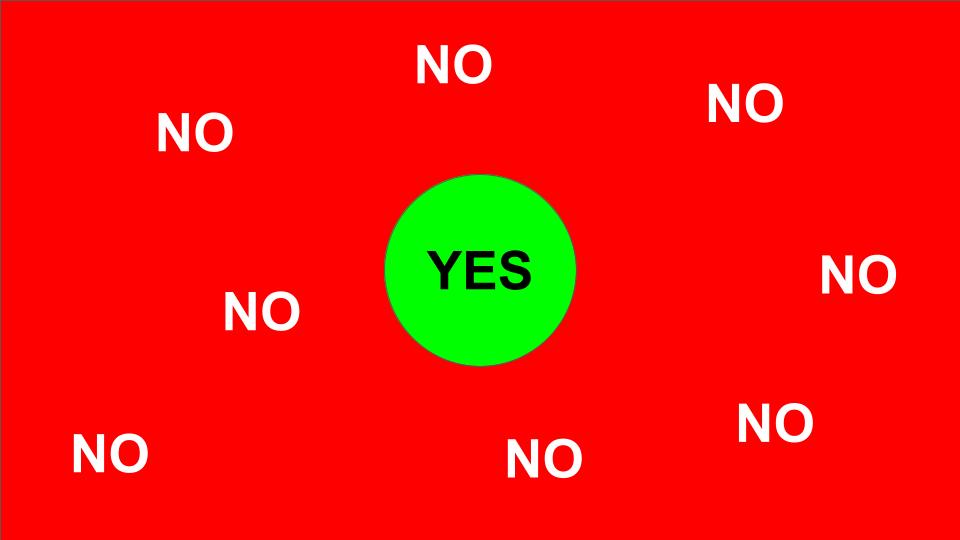
When practicing opt-out consent, you describe the specific activities you do not want to do. Those are your no’s. Anything you haven’t specified is therefore a yes.
Oh, you said you don’t want to be kissed? Well, then I guess I can lick your face, because that’s not kissing, and you didn’t say no to it.
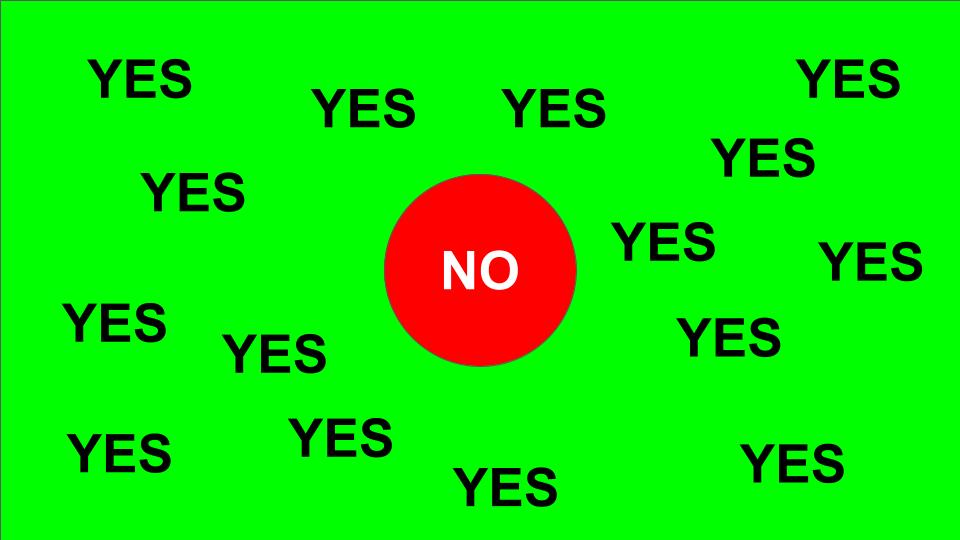
Most of the time, I see opt-out consent as a way for tops/doms to mindfuck their bottoms/subs or teach them a lesson on negotiation*. Because it is literally impossible to practice opt-out consent without opening yourself up to a universe of dangerous unwanted activities. No matter how specific you get, a clever partner will figure out a loophole and find something they can do to you that you didn’t say no to.
*Whether the lesson is wanted or warranted is an entire other bucket of worms that I’ll get into at another time.
On the flip side, let’s be real about opt-in consent, too. Strict opt-in consent isn’t practical, either, because then you get mired in the tedium of having to specify everything you want to do.
Oh, you said that you’d like to kiss me? Great! I will now kiss you.
But wait. You didn’t say you wanted me to touch you. So … should I just keep my arms at my sides and lean in and … ummm, okay, how exactly are we going to do this now?
Realistically, we want to practice opt-in consent, but with the mutual understanding that some activities that weren’t specifically mentioned may get grouped with the activities that were mentioned. And if there are any misunderstandings, that’s why we have safe words.
Oh! You said you were okay being penetrated with toys, so I interpreted that as no penises. I didn’t realize that meant no fingers as well. I understand now, and it won’t happen again!
Now, we don’t have to get into a back-and-forth on who messed up in the above example. (I’d say both parties could have done better.) The point is that this type of misunderstanding absolutely can happen during play. And in that case, you want to be able to trust that your play partner has the best of intentions.
That’s why the vetting and negotiation processes are so important.
Of course, if you do trust your play partner … sure, try opt-out consent. Turn it into a game. Enjoy the surprises and have fun with it.
But, if you’re vetting someone new, and you realize they’re serious about practicing opt-out consent?
Run away. Quickly.
 Flog & Flow
Leave a comment